How Often Should You Get a Nail Polish Change?
Whether your manicure is chipping at the edges or you simply want a fresh color for the week ahead, knowing how often to get a nail polish change can make a real difference in how your hands look and feel. The answer depends on the type of polish you wear, your lifestyle, and how quickly your nails grow. This reference guide breaks down recommended timelines by polish type, explains what affects longevity, and helps you figure out the schedule that works best for you, including when it makes sense to book a professional nail polish change at Perfect Nails in Saint Paul.
Recommended Nail Polish Change Frequency by Polish Type
Not all nail polish is created equal, and one of the biggest factors in how often you need a change is the formula on your nails. Here is a straightforward breakdown of standard timelines:
Regular (Traditional) Nail Polish
Regular nail polish is the most accessible option, but it also has the shortest lifespan. Most nail technicians recommend changing regular polish every 1 to 2 weeks. After about 7 days, most people start noticing tip wear, minor chips, or dulling. Waiting much longer than two weeks can make removal harder and may leave behind staining on the natural nail if pigmented shades sit too long without a proper base coat.
Gel Polish
Gel polish is cured under a UV or LED lamp, which gives it a significantly stronger bond to the nail. The standard recommendation for gel polish changes falls at every 2 to 3 weeks. At the three-week mark, natural nail growth becomes visible at the base (known as "grow-out"), and lifting at the edges can begin, which is not just a cosmetic issue, but a potential entry point for moisture and debris. Gel polish that lifts and is left on longer than 3 to 4 weeks can trap moisture and may contribute to nail health concerns, so it is generally advisable to stay on schedule. If you have any concerns about your nail health, consult a licensed nail technician or healthcare professional.
Dip Powder
Dip powder manicures are known for their durability. Most clients can go 3 to 4 weeks between changes. Because dip powder builds up slightly on the nail, the grow-out at the cuticle area tends to become more noticeable around the 3-week mark. Waiting too long, beyond 4 weeks, can make removal more difficult and may cause more filing to the natural nail surface during the take-off process.
Factors That Affect How Long Your Polish Lasts
Timelines are guidelines, not guarantees. Several factors influence how quickly your nail polish change window arrives:
- Nail growth rate: On average, fingernails grow approximately 3.5 millimeters per month, though this varies by age, health, and season. Faster-growing nails show grow-out sooner, especially with gel and dip formulas.
- Hand exposure to water: Frequent hand-washing, dishwashing without gloves, or swimming accelerates lifting and peeling, especially for regular and gel polish. Each exposure to water causes the nail plate to expand and contract slightly, weakening the polish bond over time.
- Application quality: A professional application with proper prep, base coat, and top coat significantly extends wear time compared to a quick at-home application.
- Nail condition: Naturally thin, flexible nails tend to cause polish to flex and chip faster than stronger nail plates.
- Daily tasks: Jobs or hobbies that involve manual work, typing, or working with chemicals shorten polish lifespan noticeably.
- Climate: Cold, dry Minnesota winters can affect nail hydration and cause polish to chip faster: something worth factoring in when you are planning your service schedule in Saint Paul.
Understanding your personal nail profile helps you land on a frequency that keeps your hands looking polished without over-booking or under-maintaining your nails.
Signs It Is Time for a Nail Polish Change: Regardless of Schedule
Rather than watching the calendar exclusively, it helps to know the visual and tactile cues that signal your polish is ready to be refreshed:
- Visible chips or cracks in the color layer, particularly at the free edge or tip
- Grow-out at the cuticle that creates a two-tone look between your natural nail and the colored area
- Lifting edges where the polish has separated from the nail surface
- Dullness or fading of the color, even if the polish is structurally intact
- Staining on the natural nail underneath darker shades, which suggests it has been on too long
- Peeling layers in the case of dip powder, indicating the bond is breaking down
If you notice any of these signs, it is a good time to book a nail polish change, even if you are a few days ahead of your regular schedule.
Building a Nail Polish Change Schedule That Works for You
Setting a consistent nail appointment schedule does more than keep your nails looking great. Regular visits: roughly every 2 to 3 weeks for most people: give a professional nail technician the opportunity to check for early signs of changes in nail health, such as discoloration, unusual texture, or changes in nail thickness. Catching these things early allows for better care. For any specific nail health concerns, always consult a licensed healthcare professional.
Here is a practical approach to building your schedule:
- Choose your polish type based on lifestyle. If you work with your hands frequently, gel or dip powder will generally hold up better between appointments than regular polish.
- Book standing appointments. Many clients at Perfect Nails find it helpful to pre-schedule their nail polish changes at the same interval each time, every two weeks, every three weeks, so they never have to decide on the fly.
- Plan around events. If you have a special occasion coming up, schedule your nail polish change 1 to 2 days beforehand so your manicure looks its freshest.
- Adjust seasonally. Minnesota winters can be hard on nails. Dry indoor heat and cold outdoor temperatures may mean you need to refresh more often in colder months. Pairing your polish change with seasonal color updates, like switching to rich jewel tones in fall or soft pastels in spring, makes the timing feel intentional rather than reactive.
When you are ready to choose your next color, knowing which shades work best for each season can make the decision easier. Exploring the best nail polish colors for every season in Minnesota is a great place to start building your year-round color rotation.
The Adult Nail Polish Change Service at Perfect Nails
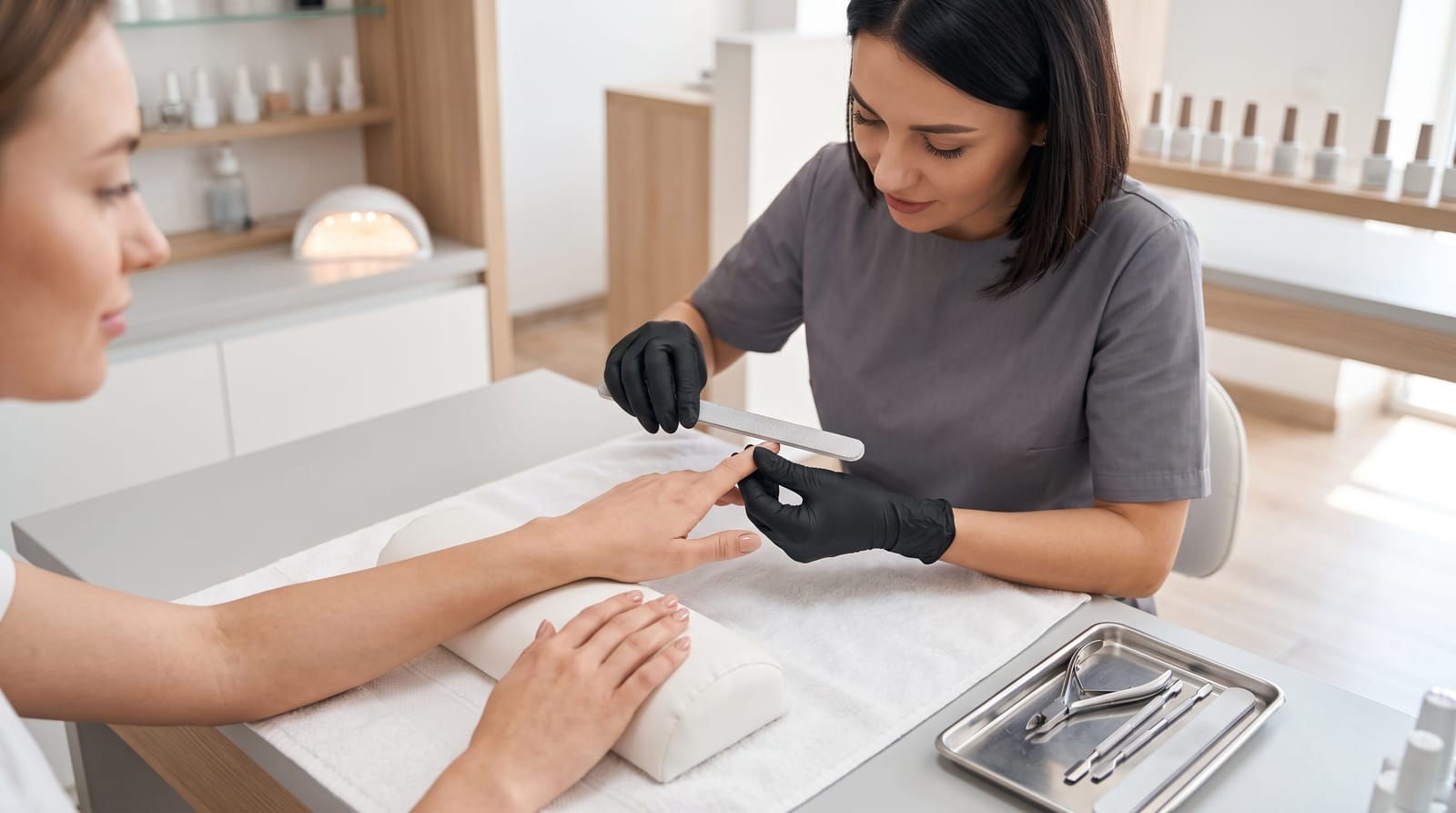
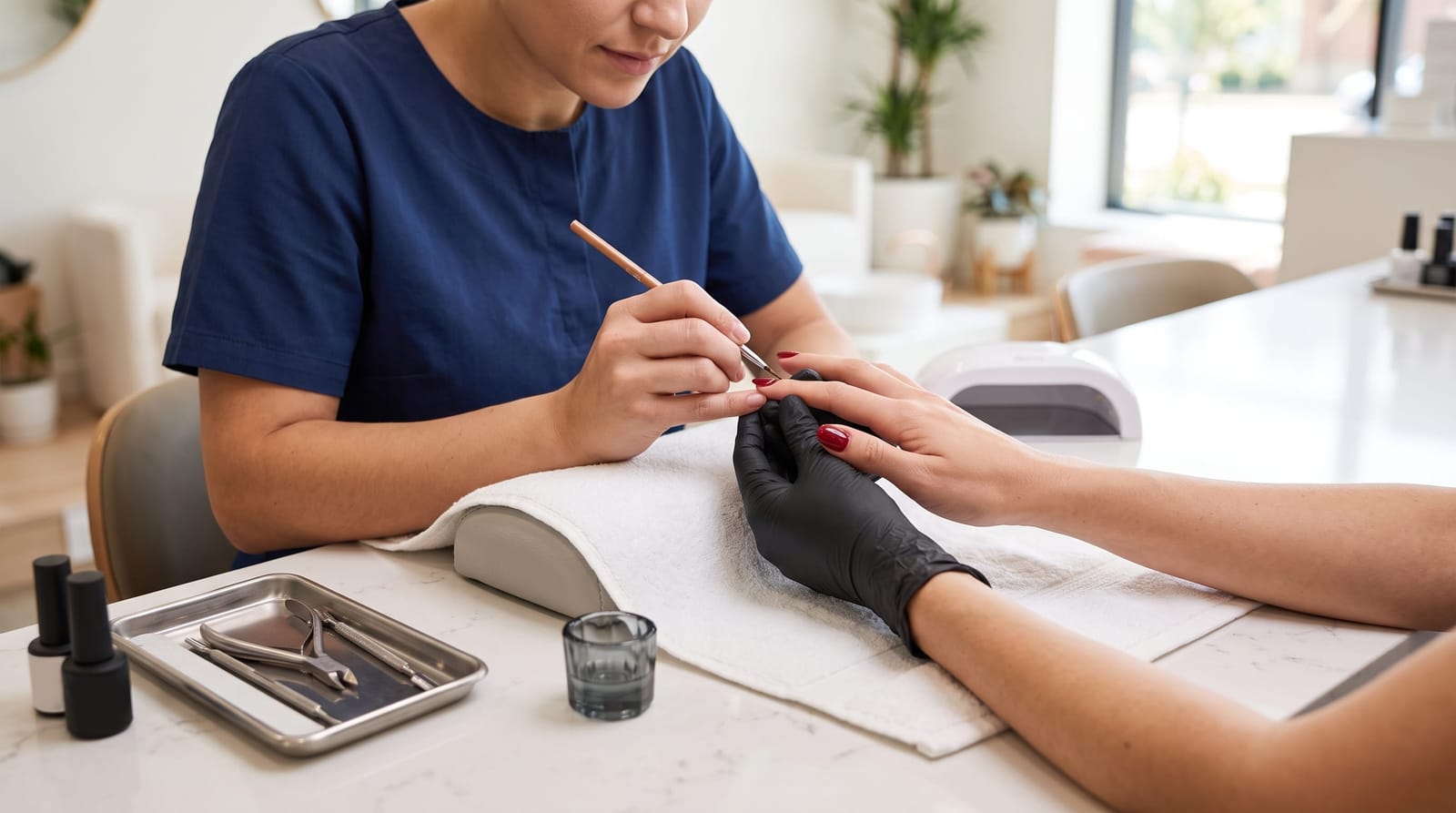
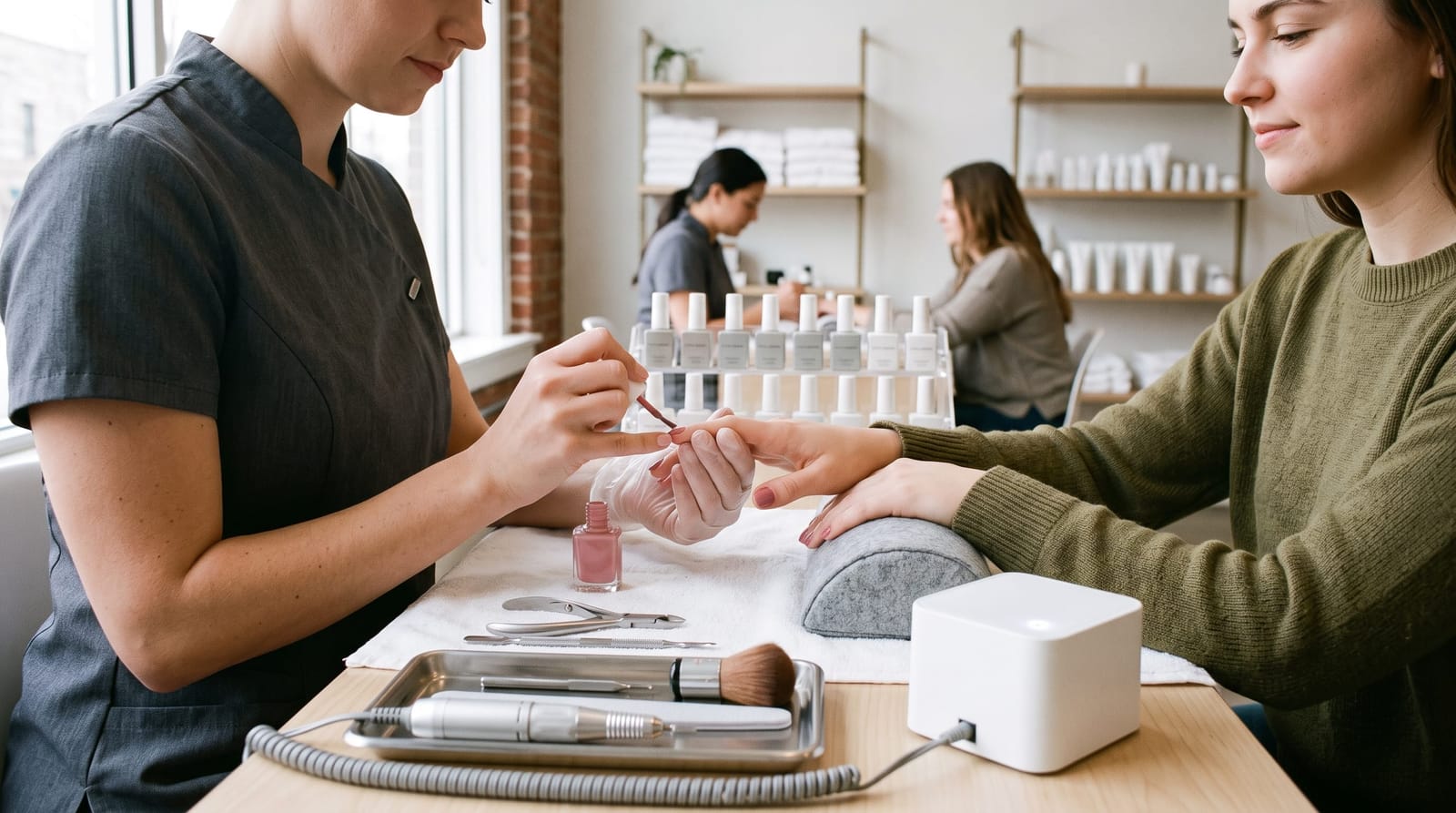
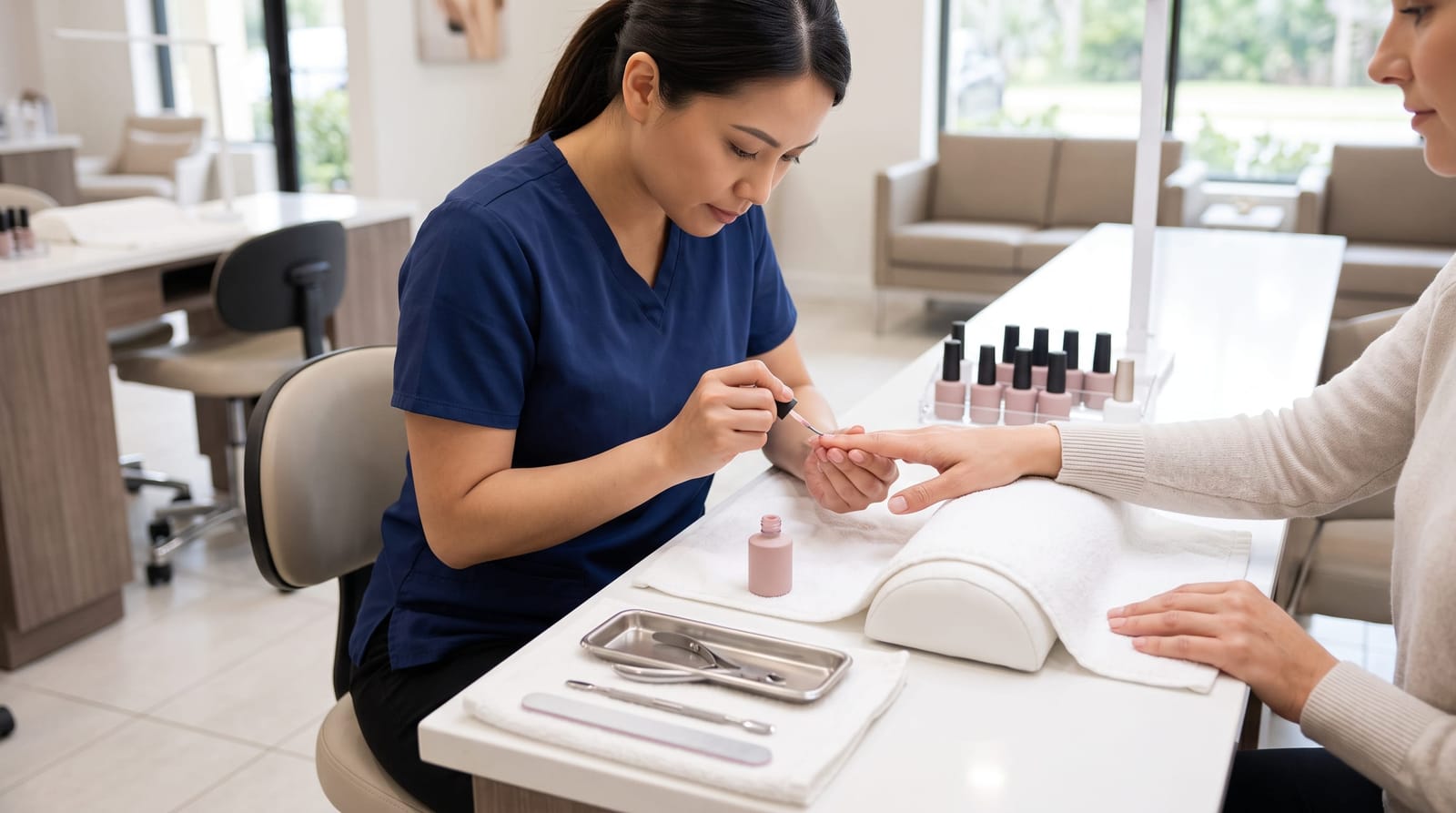
Perfect Nails in Saint Paul offers a dedicated adult nail polish change service designed for clients who want a fresh color without a full manicure. This service is ideal when your nail shape and length are already where you want them but your current polish has run its course. The process includes clean removal of existing polish and precise application of your new chosen color: making it an efficient option between full manicure appointments. It is also a great way to stay on a consistent schedule without committing to a longer service every time.
Frequently Asked Questions About Nail Polish Change Frequency
Is it bad to leave nail polish on for more than 2 weeks?
Leaving regular nail polish on longer than 2 weeks can lead to increased staining on the natural nail, especially with darker pigmented shades, and makes removal more difficult. For gel and dip powder, extended wear beyond their recommended windows can cause lifting, which may trap moisture. It is generally best to stay within the recommended timelines for your polish type. For any concerns about nail health, speak with a licensed professional.
Can I change my nail polish at home between salon visits?
For regular (traditional) nail polish, yes: home removal and reapplication is straightforward with an acetone-based remover and a fresh polish. However, gel and dip powder formulas require more involved removal processes (soaking in acetone, careful filing) that are generally best handled by a trained nail technician to avoid unnecessary damage to the natural nail.
How often should you get a nail polish change if you have gel nails?
Most nail technicians recommend changing gel polish every 2 to 3 weeks. At the 3-week mark, natural nail grow-out becomes visible at the cuticle area and lifting at the edges can begin. Staying within this window helps maintain both appearance and nail health.
Does nail polish change frequency differ in winter vs. summer?
It can. In Minnesota's cold winter months, dry indoor air and low humidity can dehydrate the nail plate, potentially causing polish to chip or peel faster. Some clients find they need to refresh their polish slightly more often in winter. Moisturizing hands and cuticles regularly can help extend wear during colder months.
The Bottom Line on Nail Polish Change Frequency
How often you should get a nail polish change comes down to the type of polish you wear: every 1 to 2 weeks for regular polish, every 2 to 3 weeks for gel, and every 3 to 4 weeks for dip powder. Your lifestyle, nail growth rate, and the Minnesota climate all play a role in where you fall within those windows. Staying consistent with professional nail polish change appointments, like the service offered at Perfect Nails in Saint Paul, keeps your nails healthy, your color fresh, and takes the guesswork out of timing. For a broader look at nail care options, visit our complete guide to manicure services in Saint Paul.